
Understanding Hemodialysis: A Lifesaving Treatment for Kidney Failure
Andrew Kowalski, MD, FASN
Hemodialysis is a vital treatment for individuals whose kidneys can no longer perform their essential role of filtering waste, electrolytes, and excess fluid from the blood. This procedure is often used by patients with end-stage renal disease (ESRD) or chronic kidney failure when conservative treatments or medications are no longer effective. Hemodialysis offers a way for patients to maintain their quality of life while managing kidney failure, and understanding its process and impact can shed light on its importance.
What Is Hemodialysis?
In healthy kidneys, blood filtration occurs naturally, with waste products and extra fluids being excreted through urine. When the kidneys are damaged or fail, they lose their ability to perform these functions, causing toxins to build up in the body. Hemodialysis mimics this filtration process using a machine that acts as an artificial kidney.

During hemodialysis, blood is removed from the body through a vascular access point (often in the arm, but can be in the leg as well), and run through a dialyzer (a filter/artificial kidney), washed with dialysate (specialized IV fluid) that removes toxins and built up electrolytes, minerals and even excess fluid and then returned to the body. Another analogy is that blood is removed to be washed and returned back to the body.
The dialyzer filters out waste, salts, and excess fluid while keeping necessary components like red blood cells and proteins in circulation. This process typically takes about four hours and must be repeated several times a week.
Who Needs Hemodialysis?
Hemodialysis is usually recommended for people in advanced stages of chronic kidney disease (CKD), particularly those in stage 5, where the kidneys function at less than 10% of their normal capacity. This stage is also referred to as kidney failure or ESRD.
There are several causes of kidney failure, including:
• Diabetes: The leading cause of kidney disease, diabetes can damage the blood vessels in the kidneys, affecting their ability to filter blood properly.
• High Blood Pressure: Prolonged hypertension can harm the kidneys’ delicate tissues.
• Glomerulonephritis: This inflammation of the kidney’s filtering units (glomeruli) can impair kidney function.
• Polycystic Kidney Disease: A genetic disorder where clusters of cysts form in the kidneys, gradually diminishing their function.
For some, hemodialysis is a temporary solution while awaiting a kidney transplant. For others, it becomes a long-term treatment. these decisions are not taken lightly and are based on long term discussions with the patient and the family to make sure that the patient is making the correct choice for themselves and their loved ones.
The Hemodialysis Process
The hemodialysis process takes place either in a dialysis center or at home, depending on a patient’s circumstances. Here’s an outline of how it works:
1. Vascular Access: A surgeon creates a point of access, which could be an arteriovenous fistula (joining an artery and vein), a graft (using synthetic tubing), or a central venous catheter.
2. Blood Filtration: Blood flows from the access point into the dialysis machine. Inside the machine, blood is channeled through a dialyzer, where a semi-permeable membrane allows waste products and excess fluids to be filtered out.
3. Clean Blood Returns: The clean, filtered blood is then returned to the body through the vascular access, ready to continue circulation.
4. Monitoring: Throughout the process, the dialysis machine closely monitors blood pressure and the speed of blood flow, adjusting accordingly to ensure the patient’s safety.

Side Effects and Challenges
While hemodialysis is life-saving, it isn’t without its challenges. Many patients experience side effects like low blood pressure, muscle cramps, and most commonly fatigue after treatment. Additionally, every patient should adhere to a strict dietary and fluid intake with imposed necessary limitations to prevent complications between sessions. the closer a patient ahears to the dietary and fluid restrictions the easier dialysis may seen form them and many of the complications will be minor or they will not have any at all.
Another significant aspect is the time commitment. Patients typically undergo hemodialysis three times a week, with each session lasting three to five hours (12hrs a week on average). This can be mentally and physically draining, especially over long periods.
Advances in Hemodialysis
Research and technology continue to evolve, aiming to improve the efficacy and convenience of hemodialysis. For instance, portable hemodialysis machines allow some patients to perform dialysis at home or even while traveling. In addition, nocturnal hemodialysis—where treatment takes place overnight—can provide longer, gentler dialysis, which may lead to fewer complications.

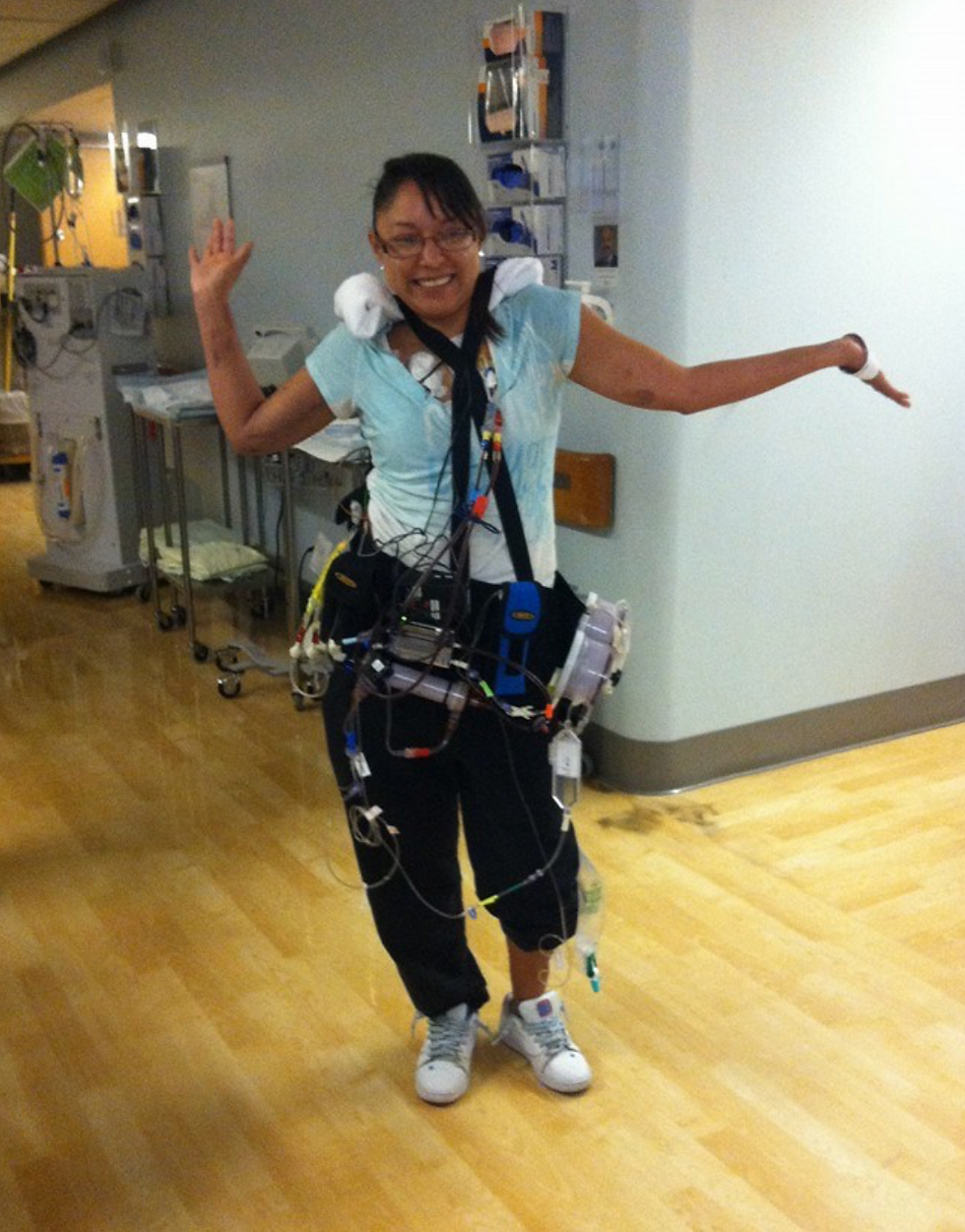
There’s also ongoing research into wearable dialysis systems and bioartificial kidneys, which could revolutionize treatment for kidney failure patients in the coming years. Currently these devices are bulky, but like the way of the computer, within time these machines will likely shrink down to a more manageble size.
Conclusion
Hemodialysis is more than just a medical procedure—it’s a lifeline for millions of people worldwide living with kidney failure. While it requires a significant time commitment and comes with certain side effects, it allows patients to maintain a level of independence and quality of life. As technology advances, the hope is that treatments will become even more accessible, less invasive, and better suited to the needs of individuals living with chronic kidney disease.
For those affected, learning about hemodialysis and the options available is the first step in managing kidney failure and taking control of their health journey.


